The Gallery is open
Monday 3:15 pm-7pm
from Tuesday to Friday 11:15 am- 1 pm and 3:15 pm-7pm
Saturday 3:30 pm-6:30 pm
Latest
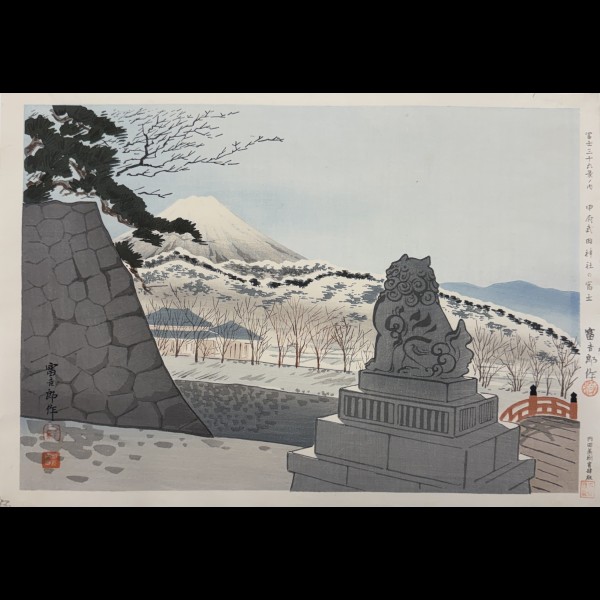
MOUNT FUJI FROM TAKEDA TEMPLE IN KOFU
Very good proof, in the first prints of the suite: Thirty-six views of Mount Fuji. Short marginal te..
450.00 €
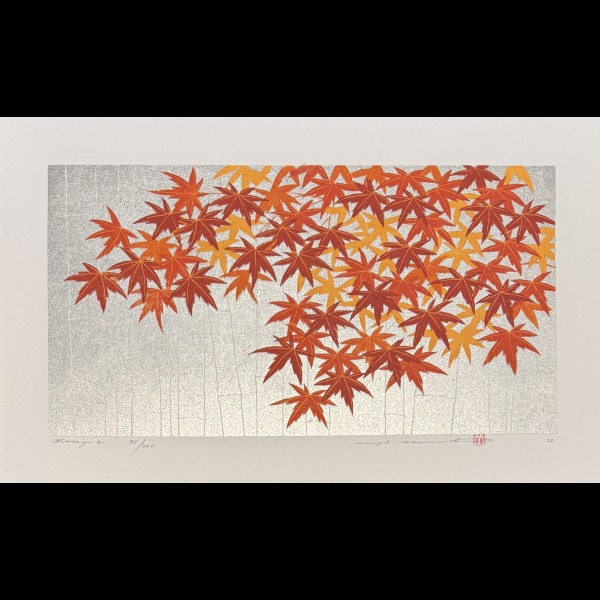
MOMIJI, MAPLE AUTUMN FOLIAGE
Very beautiful signed, numbered proof.Print printed by the artist himself on silver leaves placed on..
380.00 €
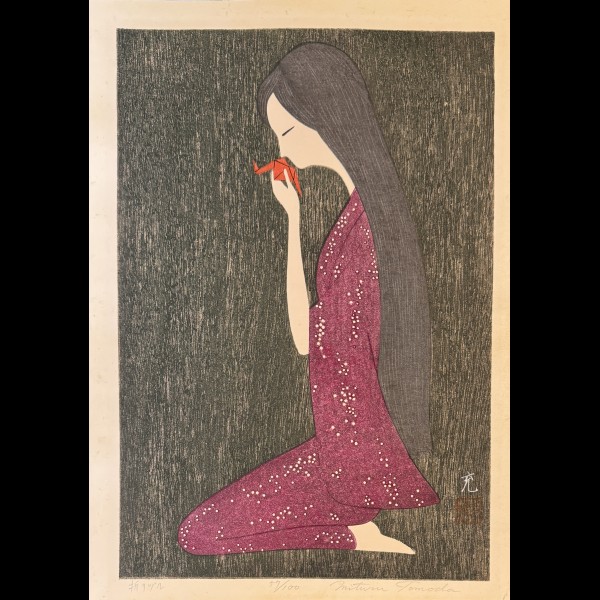
ORIDURU, THE PAPER CRANE
Beautiful countersigned and numbered proof, light embossing.Sosaku-hangaNishiki-eCa.1970Born in Kyot..
480.00 €
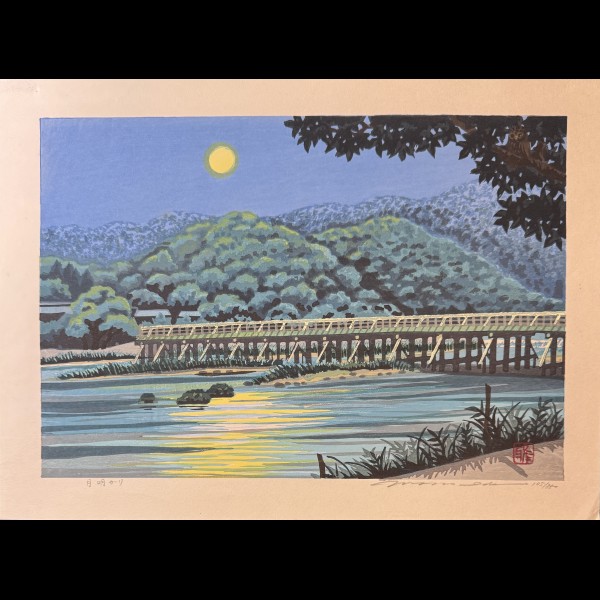
MOONLIGHT
From the following: “Kyoto Seasonal Flower Calendar”. Ca.1970/80Very beautiful and fresh print, smal..
350.00 €
MODERN & CONTEMPORARY
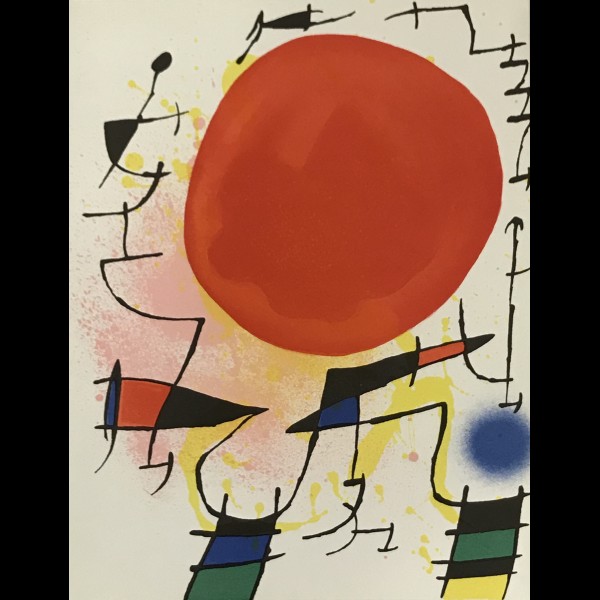

LA PETITE CHOUETTE
Lithograph on Acropolis Vellum PaperSignature printed in the platePrinted in the Atelier Mourlot1967..
300.00 €
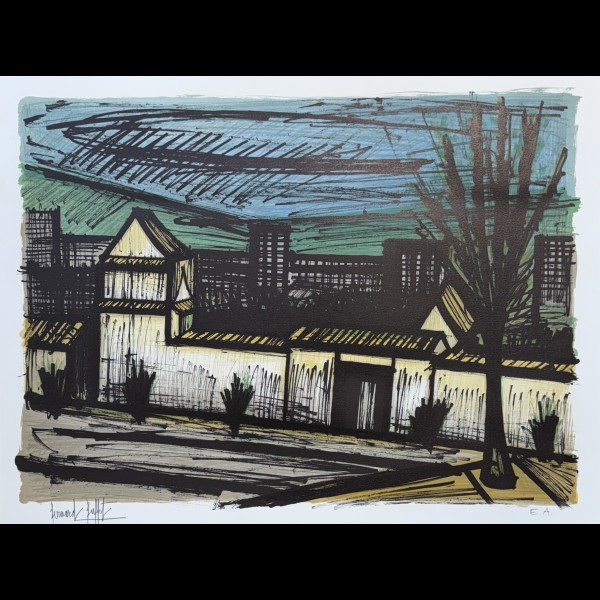
VUE DE L'HOTEL, KYOTO
From the set: The Journey to Japan.Superb and fresh lithograph signed and justified E.A (artist's pr..
1,500.00 €
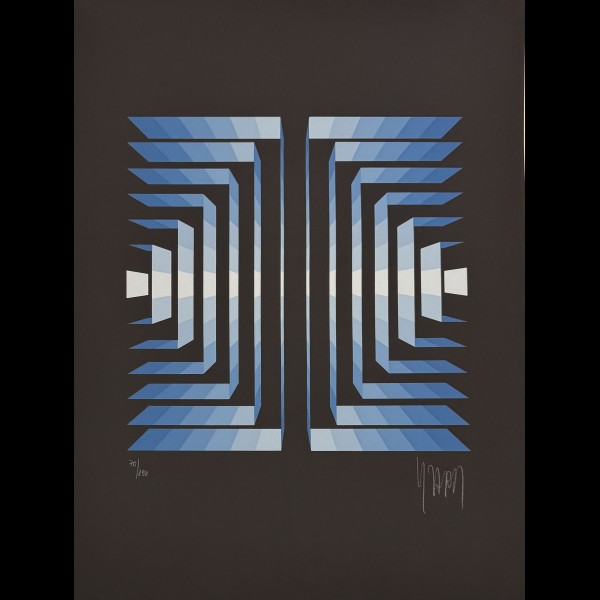
HISTORICAL SUBJECTS & MILITARY

CHASSEUR DE LA GARDE IMPERIALE RUSSE
Beautiful Watercolors from the set : Troupes étrangères, Plate 10, Russian Imperial Guard Hunter..
60.00 €
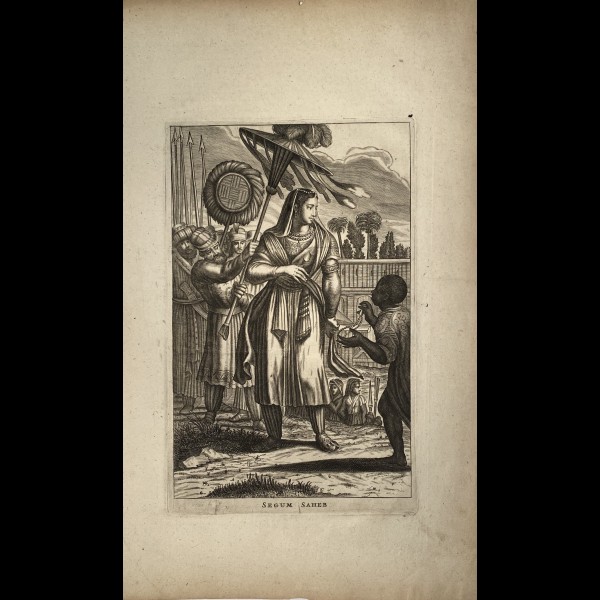
SEGUM SAHEB
A full length portrait of Jahanara Begum (1614-81), eldest daughter of Emperor Shah Jahan. Ogilby's ..
100.00 €
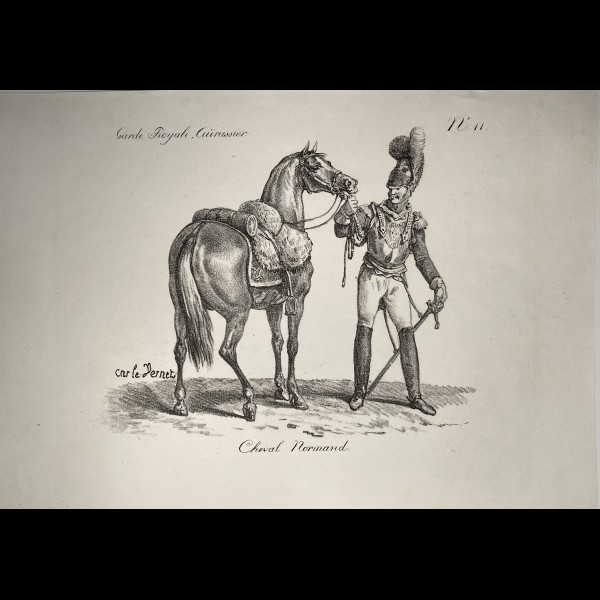
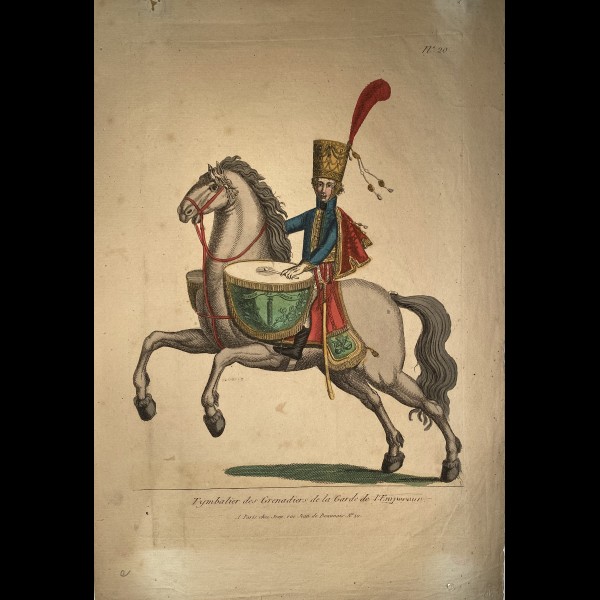
TYMBALIERS (SIC) DES GRENADIERS DE LA GARDE DE L'EMPEREUR
Parisian imagery on laid paper bearing stamp on the back of the Dr Hutin collection.Ca.1820-1830Unif..
100.00 €
CARICATURES
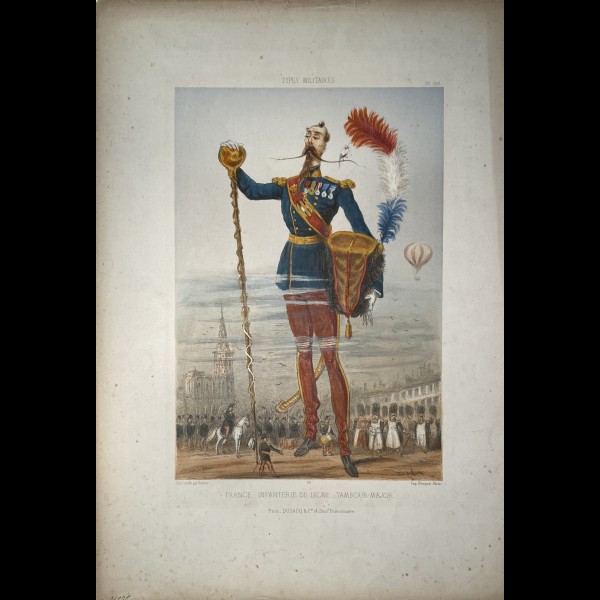
FRANCE INFANTERIE DE LIGNE TAMBOUR MAJOR
From the set : Types militaires, Galerie militaire de toutes les nations Paris Imprimerie Lemercier ..
40.00 €
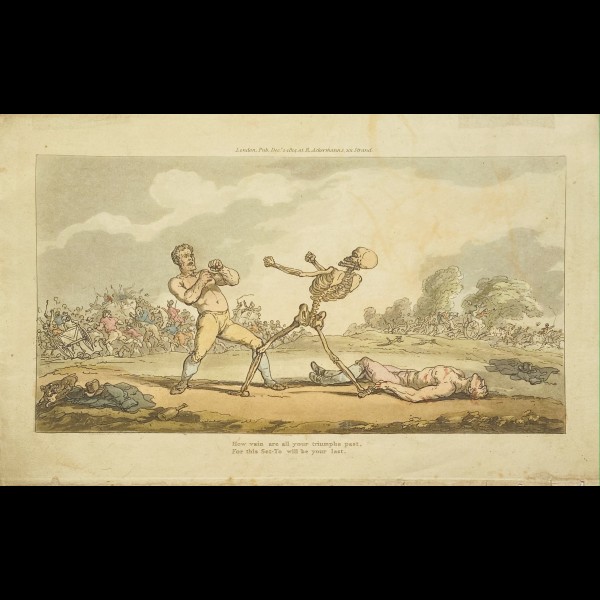
HOW VAIN ARE ALL YOUR TRIUMPHS PAST
The dance of death: the death blow. 1816.Rowlandson's "The English dance of death" was a coope..
90.00 €
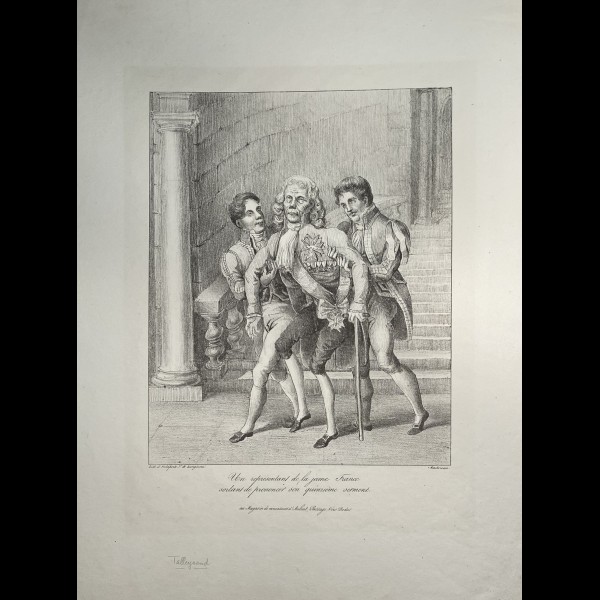
LE SERMENT DE LA JEUNE FRANCE
Talleyrand leaving Louis-Philippe after his advent following the 1830 revolution..
150.00 €

DE FUST BLOOD
Hand colored lithograph published by S. Lipschitz, London which is titled, "De Fust Blood!" In boxin..
80.00 €
OLD
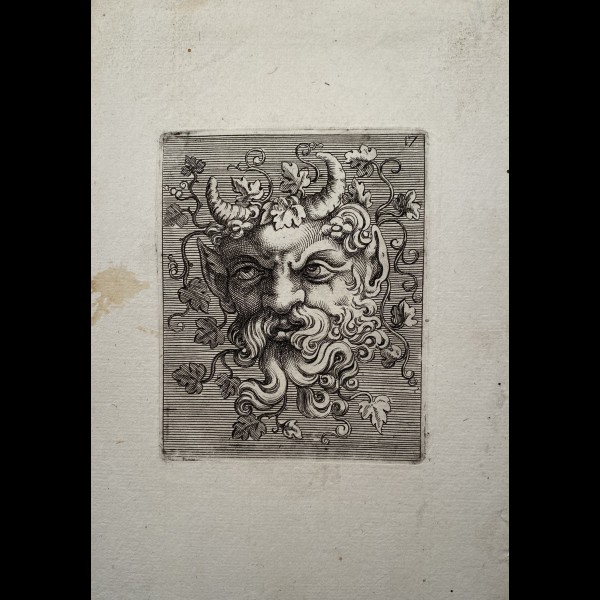
MASCARON 17
Nice proof from the set : Mascarons after Giulio Romano (B.108-127), stain in the left outer border...
150.00 €
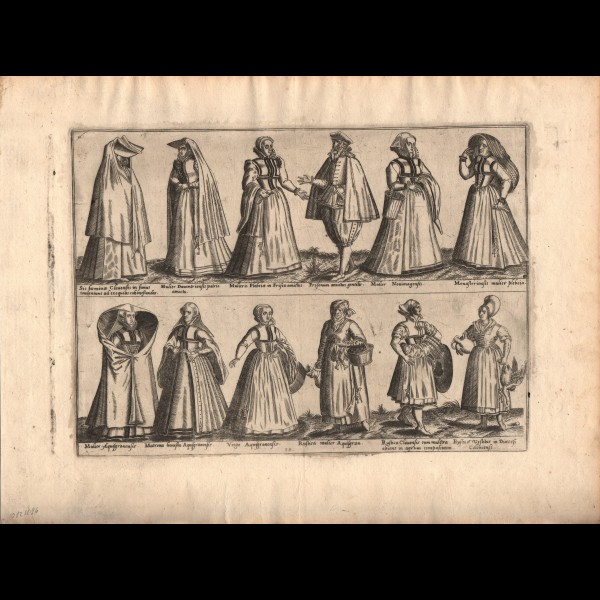
DIVERS COSTUMES DE L'ALLEMAGNE
Plate executed for the work: Omnium pene Europae, Asiae, Aphricae atque Americae gentium habitus (Cl..
80.00 €

LA CONFISEUSE
From the set of Grotesque Costumes and Trade Clothes.Proof with some color highlights, cut to the li..
850.00 €
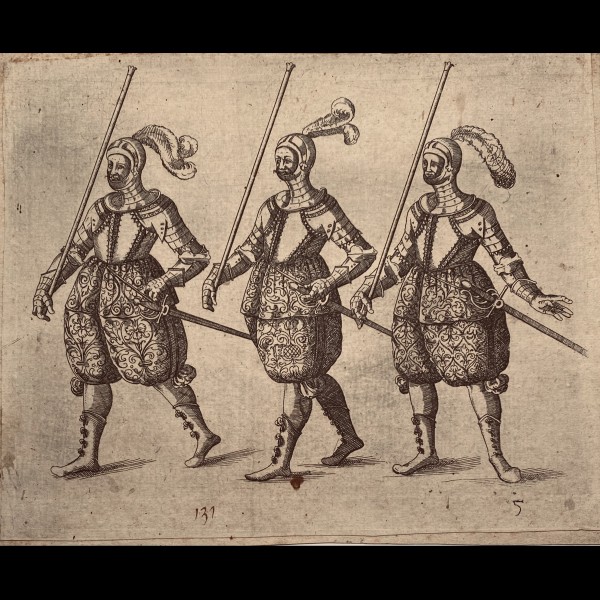
COSTUMES POUR LES FETES DONNEES PAR LE DUC FRIEDRICH DE WURTEMBERG
Plate from: Repraesentatio Der Fürstlichen Auffzug und Ritterspil [...]. Schwäbischn Gmund, Küchler,..
90.00 €
XVIII
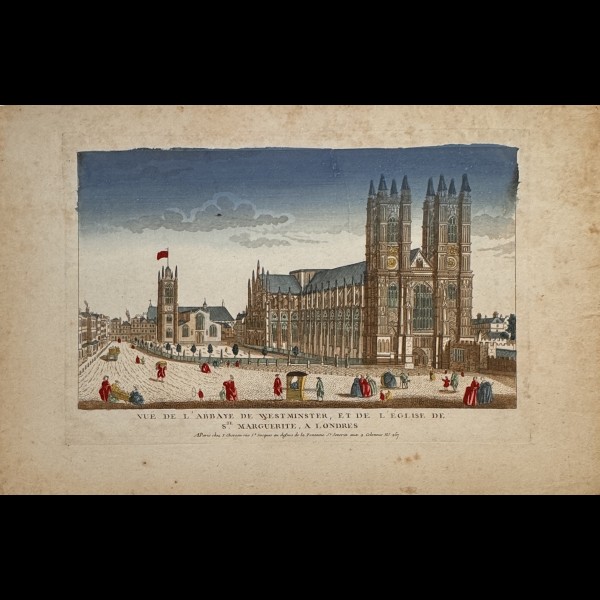
VUE DE L'ABBAYE DE WESTMINSTER ET DE L'EGLISE DE STE MARGUERITE A LONDRES
Optical view in period colors.Light dusting of the outer edges, scattered foxing, trimmed upper corn..
100.00 €
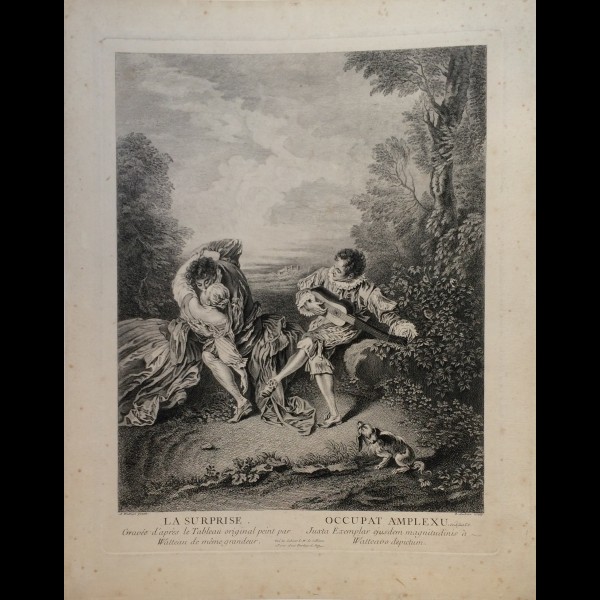
LA SURPRISE
Nice test, light uniform dustiness, scattered rednesses, short tear in the bottom marginEtching, 173..
380.00 €
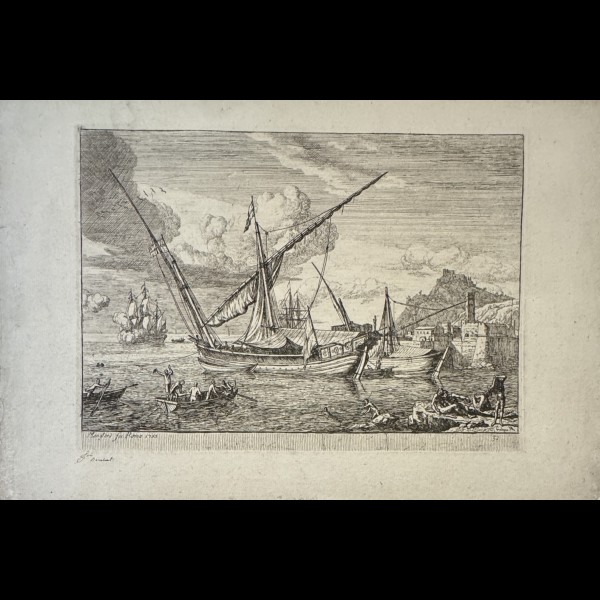
LES BAIGNEURS
Good impression, old handwritten inscription in brown ink (collector's mark?), light, even dusting, ..
250.00 €
VIEWS OF CITIES, MAPS AND COSTUMES
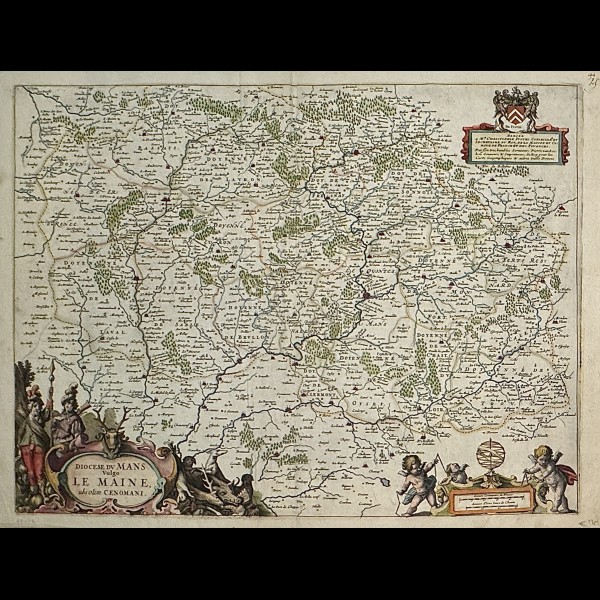
DIOCESE DU MANS VULGO LE MAINE
Beautiful postcard in vintage colors.Usual center fold, slight dusting of the edges.Ca.1650..
120.00 €
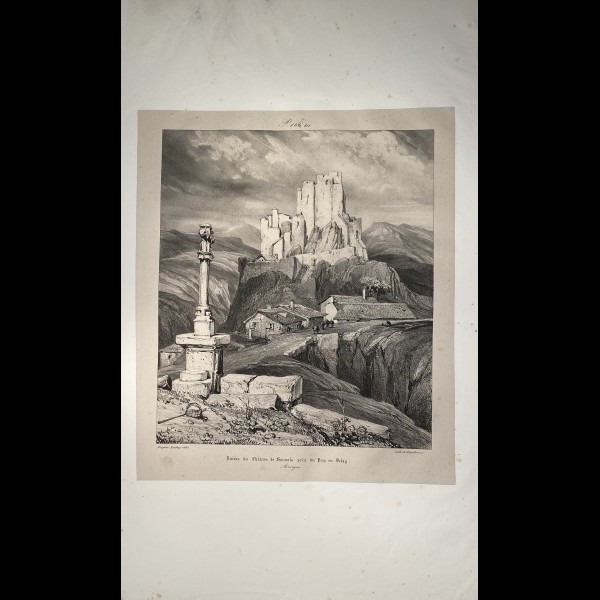
RUINES DU CHATEAU DE BOUZOLS PRES DU PUY EN VELAY
Next: Picturesque and romantic journeys in ancient France: Auvergne du Baron Taylor, Paris, 1829-33...
90.00 €
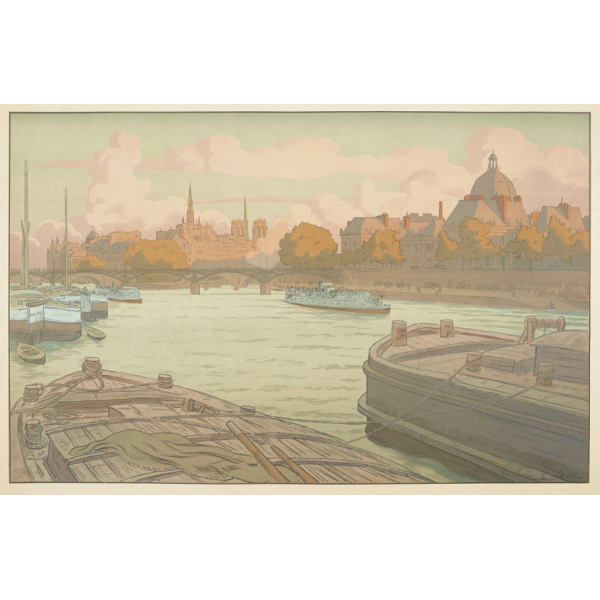
LE PALAIS DE L'INSTITUT ET NOTRE DAME
From the set : Paysages parisiens, printed by Eugene Verneau, 1900. Color printing. Very beautiful a..
1,500.00 €

MODES
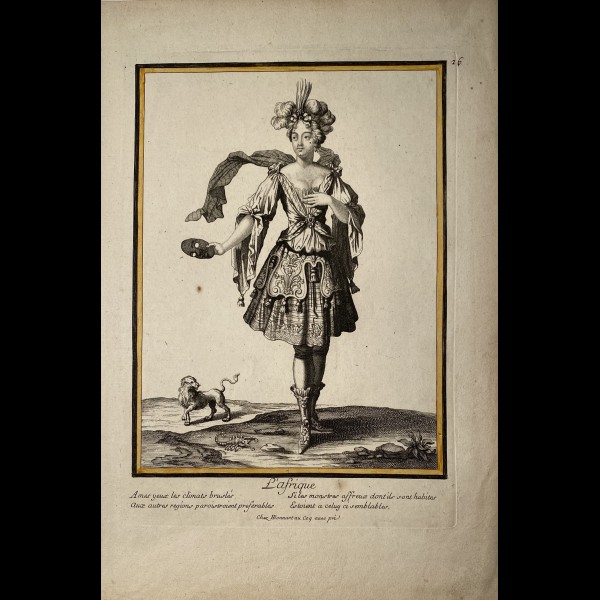
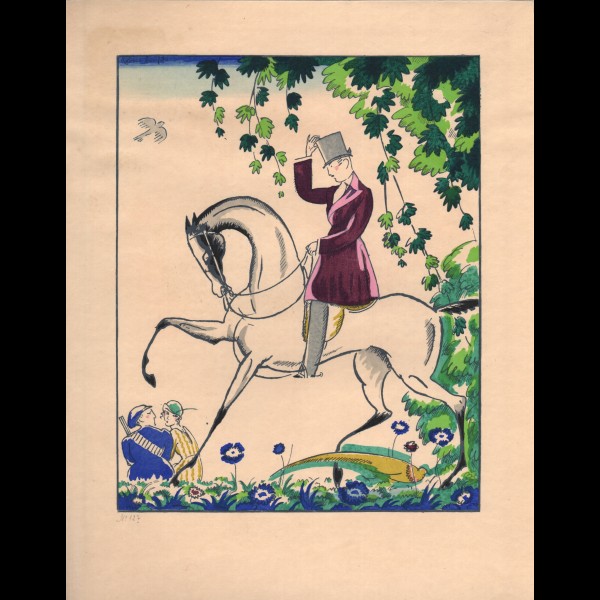

CHEZ FERNANDE CABANEL
Nice stencil with gold highlights.Short 2 cm tear in the bottom margin.For: Les Feuillets d'Art1919..
90.00 €
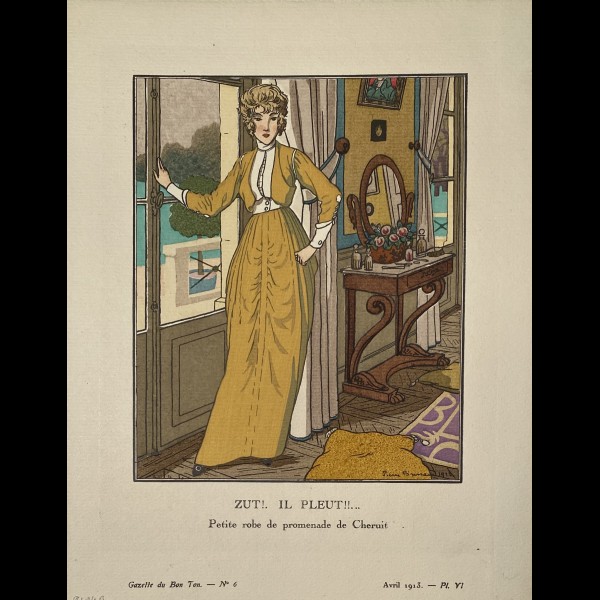
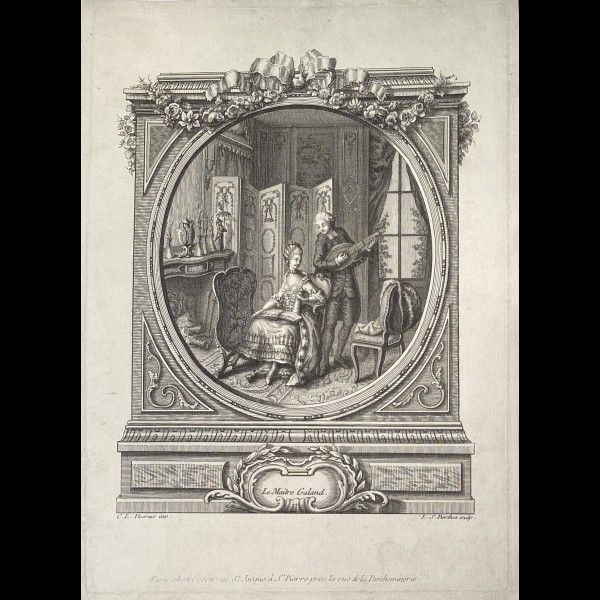
VARIOUS SUBJECTS
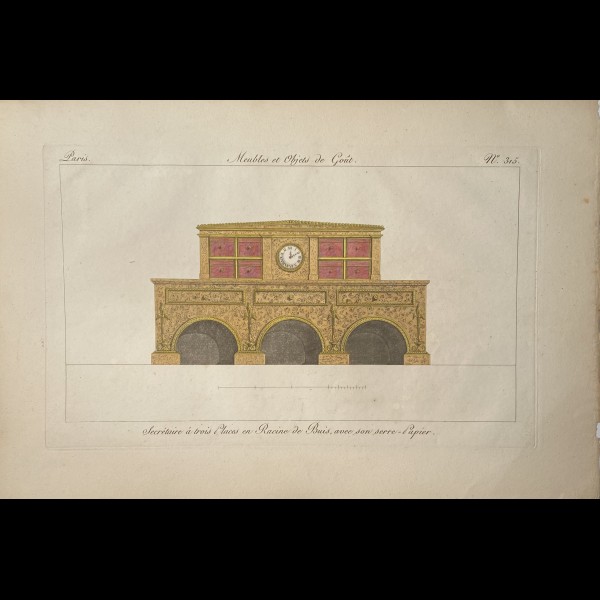

BREVET DE BATON
Lithograph enhanced in colors and gold.Ca.1852-1858Beautiful and fresh proof on vellum paper, printe..
180.00 €

LE JEU DU CRICKET
From : The Twelve Sports Almanac1898Proof published by the French Society of Art Editions, on the ba..
130.00 €
HUNTS & HORSES
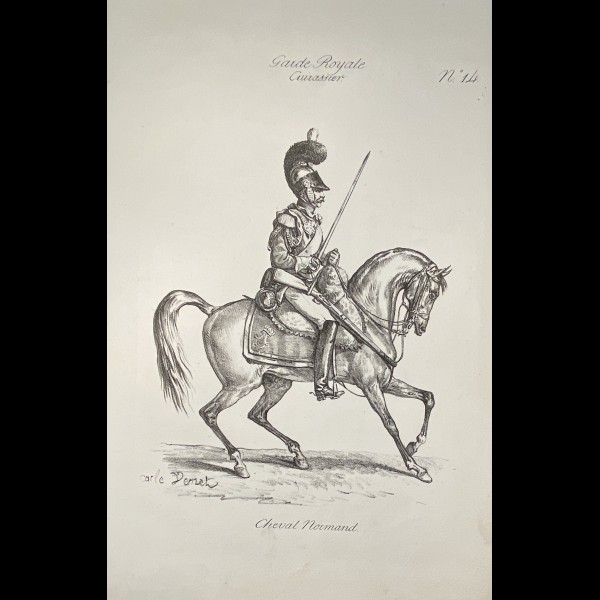
TYMBALIERS (SIC) DES GRENADIERS DE LA GARDE DE L'EMPEREUR
Parisian imagery on laid paper bearing stamp on the back of the Dr Hutin collection.Ca.1820-1830Unif..
100.00 €
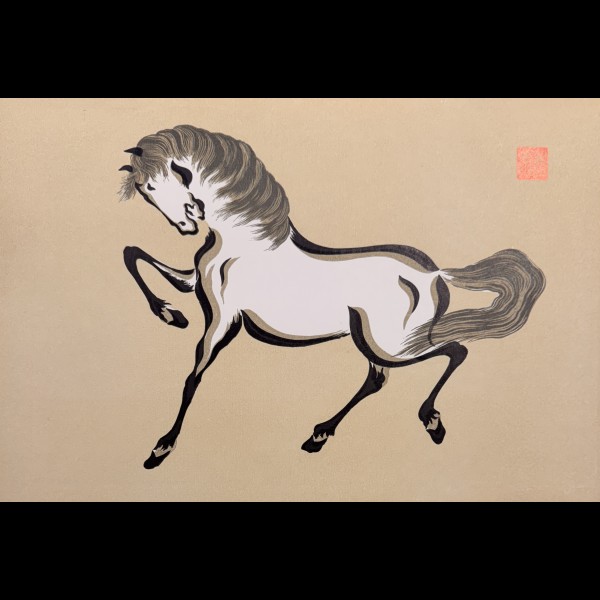
CHEVEAUX (SIC ) DE FERME
Lithograph of the suite: Five lithographs, four various subjects (Delteil: 73 to 77) State II / IV, ..
500.00 €
CRAFTS
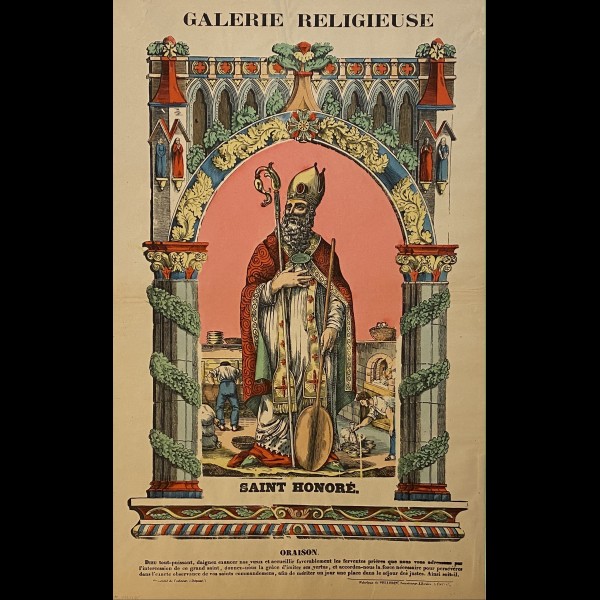
GALERIE RELIGIEUSE. SAINT HONORE
2e quart 19e siècleBelle feuille aux coloris très frais, courtes déchirures marginales éditée par la..
50.00 €

MARCHANDE DE CHIFFONS
From the set : CRIS DE PARIS, DESSINÉS D'APRÈS NATURE PAR C. VERNET. Paris, Delpech, s.d. (ca. 1820)..
60.00 €

DAUMIER


LE NOUVEAU COSTUME DES COCHERS TURCS A CONSTANTINOPLE
Blank proof for the Actualités 1860 Delteil: 3238 Small ink smear in the top margin, tiny tear of 4m..
130.00 €
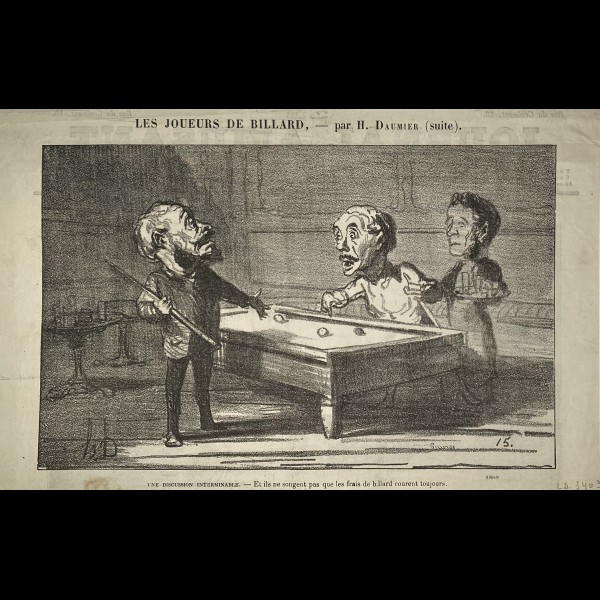
LES JOUEURS DE BILLARDS
A talk.Lithograph published in the charivari, cut under the subject.L.Delteil : 3403..
50.00 €
JAPANESE
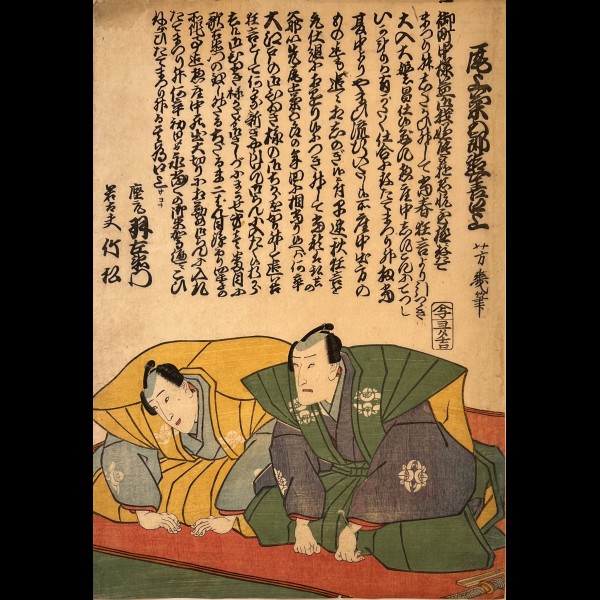
LES ACTEURS ICHIMURA UZAEMON ET ICHIMURA TAKEMATSU
Light dirt on the outer edges.ObanNishiki-e1862..
230.00 €
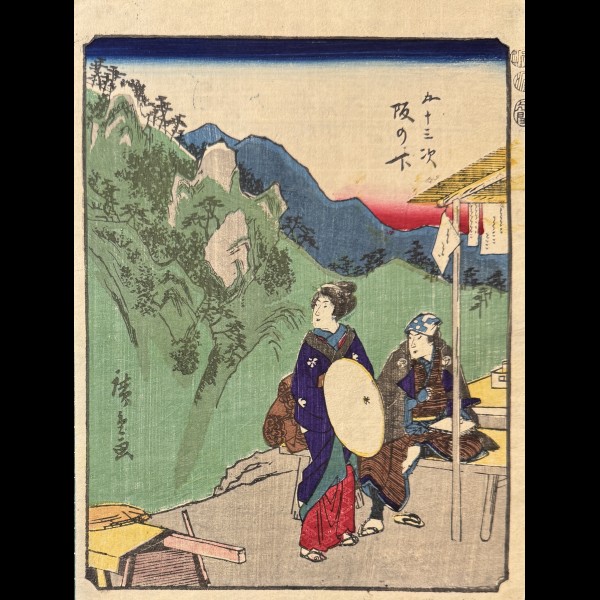
SAKANOSHITA
From the series: Jimbutsu or Muraichi Tokaido(Fifty-three Stations of the Tokaido)Publisher: Muratay..
180.00 €
MOUNT FUJI FROM TAKEDA TEMPLE IN KOFU
Very good proof, in the first prints of the suite: Thirty-six views of Mount Fuji. Short marginal te..
450.00 €
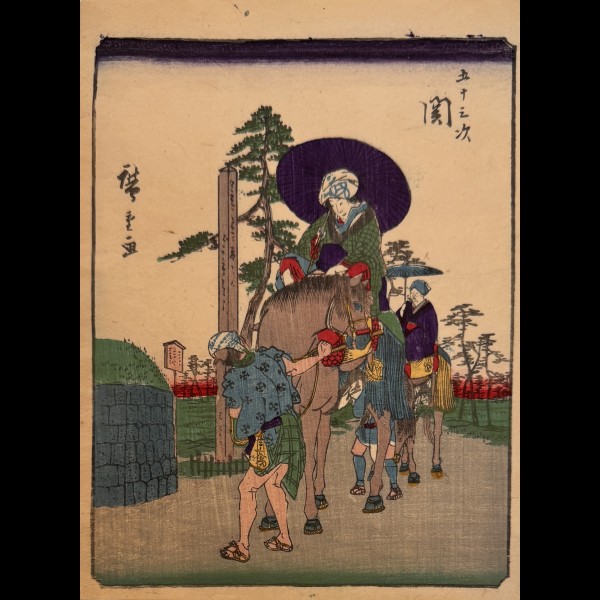
SEKI
From the series: Jimbutsu or Muraichi Tokaido(Fifty-three Stations of the Tokaido)Publisher: Muratay..
180.00 €
DRAWINGS & WATERCOLORS

MONSAVON AU LAIT
Very nice project for Monsavon in pencil and gouache.Eight naiads performing their ablutions with th..
2,700.00 €
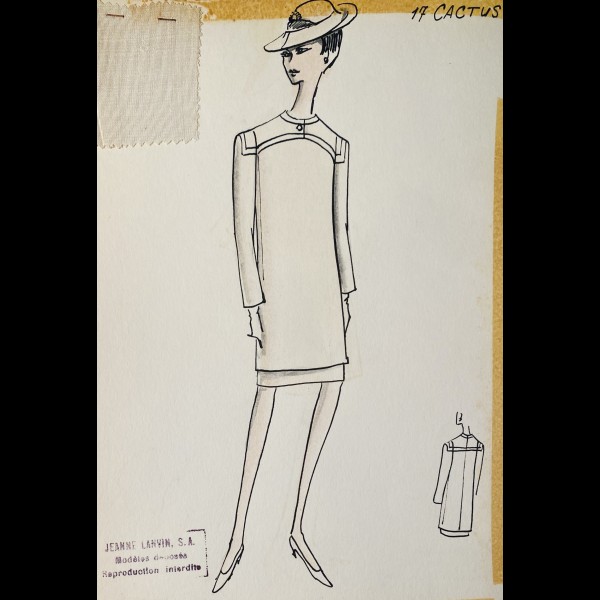
DESSIN DE MODE DE LA MAISON LANVIN, MODELE 17 : CACTUS
Original drawing in ink and felt with sample of fabrics bearing the stamp: Jeanne Lanvin SA Rest of ..
280.00 €
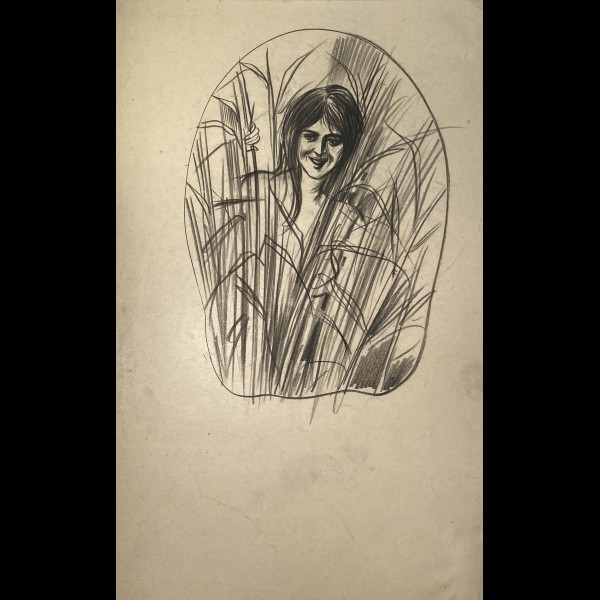
DANS LES ROSEAUX
Drawing probably made for a screen project. Oblique fold and tiny pinhole in the left margin...
70.00 €
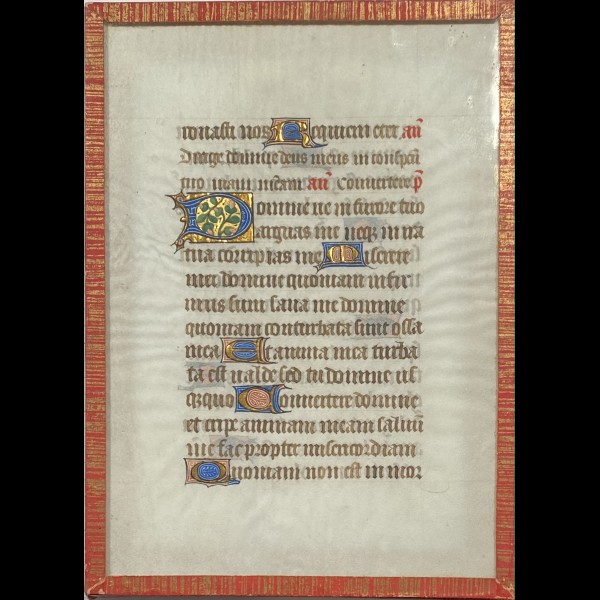
FEUILLET ENLUMINE FIN XV SIECLE
Very beautiful page from books of hours from the end of the 15th century on vellum in a good state o..
420.00 €
PORTRAITS

MICHEL LE TELLIER
After Philippe de CHAMPAIGNEMichel Le Tellier, Marquis de Barbezieux, Lord of Chaville, Étang and Vi..
120.00 €

FRANÇOIS II ; ROI DE FRANCE (1559-60) ; FILS DE HENRI II ET DE CATHERINE DE MÉDICIS
From the series: The august representations of all the Roys of France since Pharamond (...), Paris 1..
50.00 €
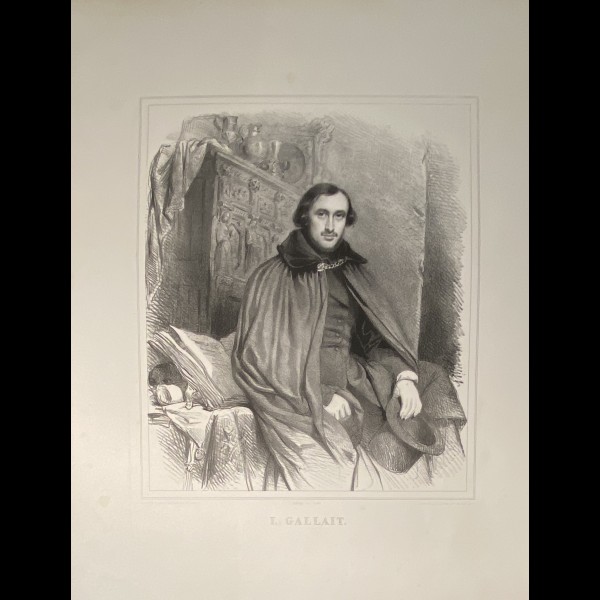
PORTRAIT DE LOUIS GALLAIT
Louis Gallait was born in 1810 in Tournai and died in1887 in Schaerbeek Strongly influenced by Pierr..
120.00 €
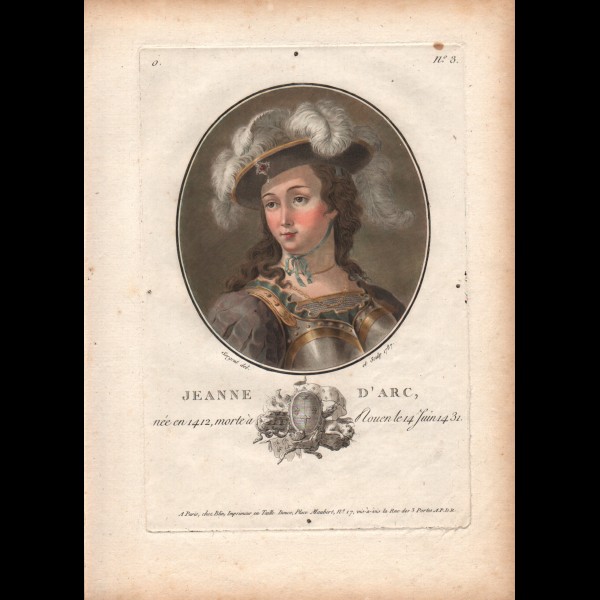
JEANNE D'ARC
Very beautiful and fresh impression of this print, weakness at the plate shot, from the series engra..
130.00 €
FISH, SHELLS, FISHING
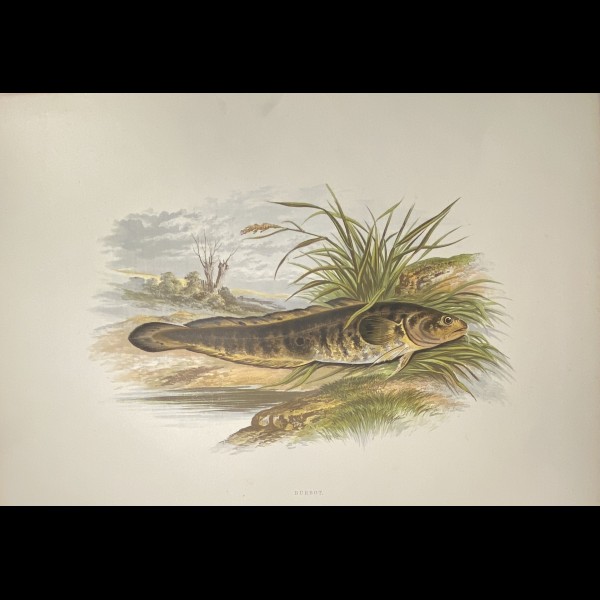
BURBOT
From 'British Fresh-Water Fishes' by Rev. W. Houghton, published by William Mackenzie, London 1879, ..
60.00 €
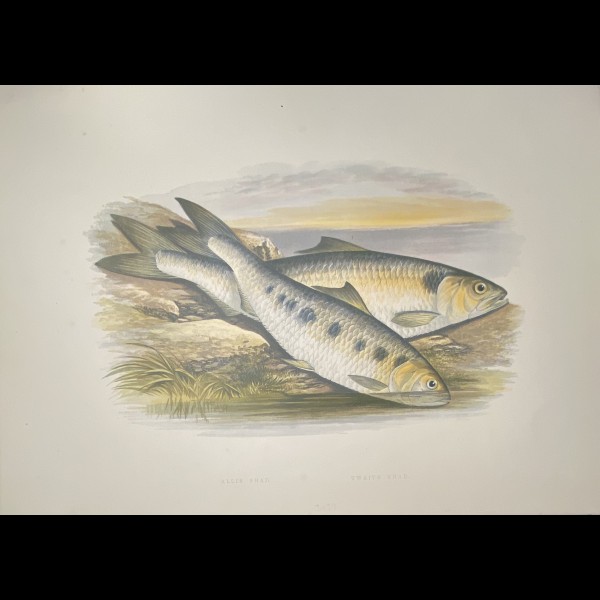
SHADS
From 'British Fresh-Water Fishes' by Rev. W. Houghton, published by William Mackenzie, London 1879, ..
60.00 €
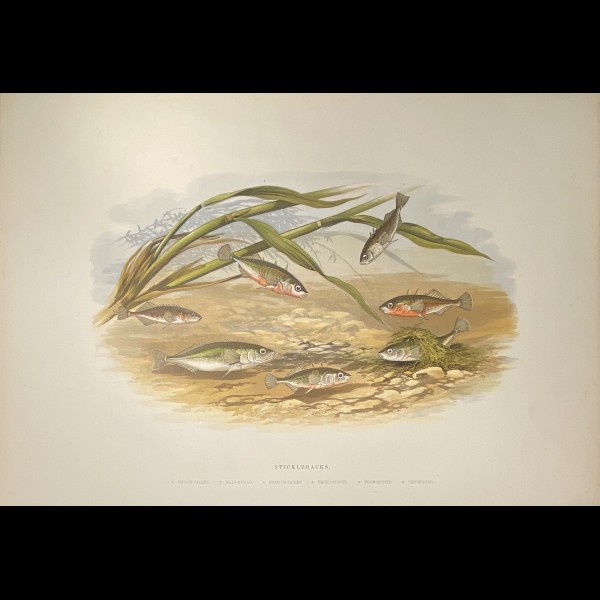
STICKLEBACKS
From 'British Fresh-Water Fishes' by Rev. W. Houghton, published by William Mackenzie, London 1879, ..
60.00 €
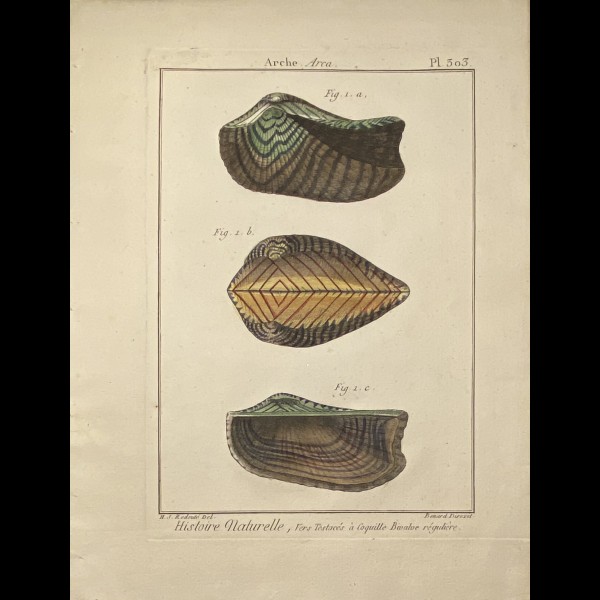
ARCHE, ARCA
Print drawn by H.J. Redouté and engraved under the direction of Benard, from the "Encyclopedic and M..
45.00 €
MARINES
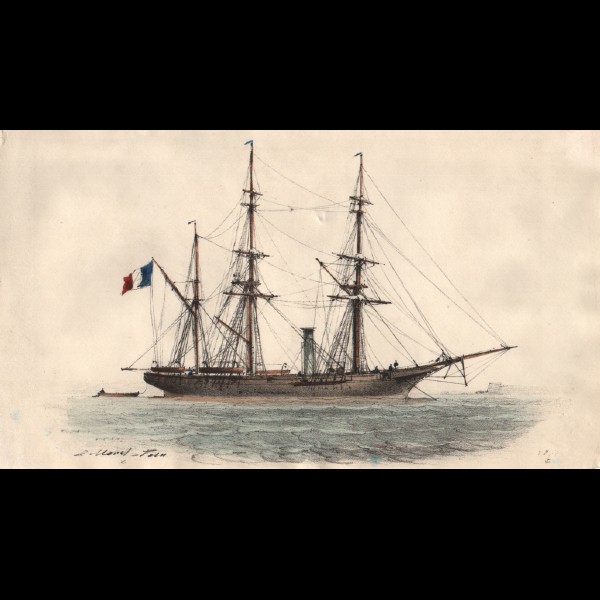
MARINE 1
Pretty color lithograph of this prolific artist who was also curator of the Louvre Museum of the Nav..
60.00 €

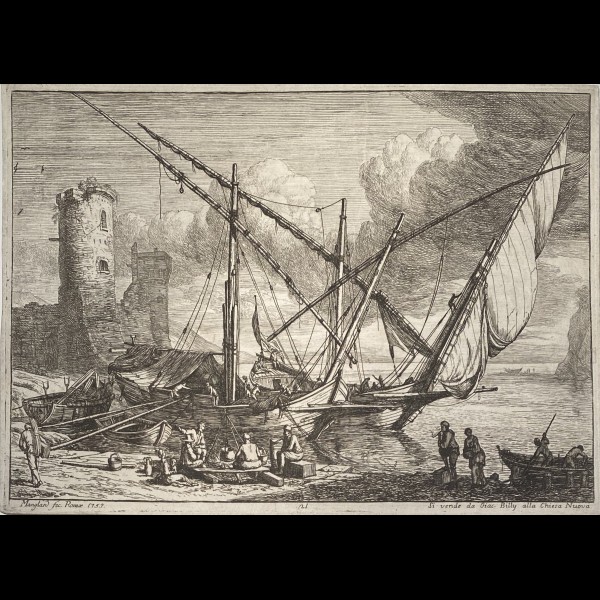
LE PORT DE MER AUX DEUX TOURS
Robert-Dumesnil: 10 1753 Intermediate state between I and II / II Margin fillet, middle fold..
250.00 €
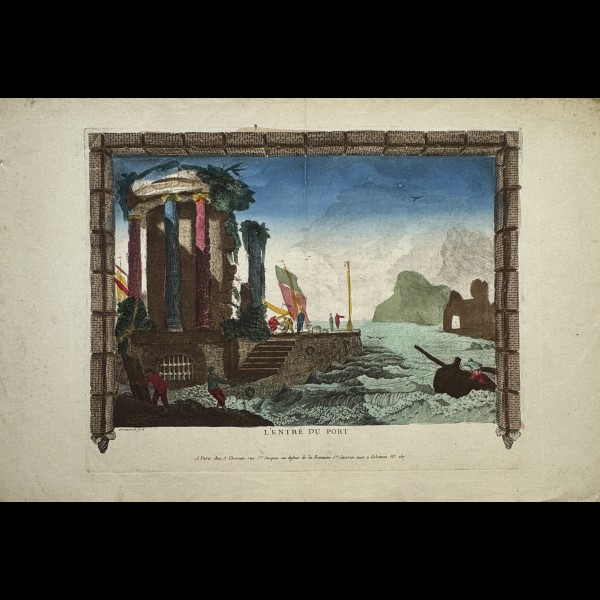
L'ENTRE ( SIC ) DU PORT
Optical view in period colors.Slight dusting of the outer edges, median fold...
100.00 €
IMAGERY
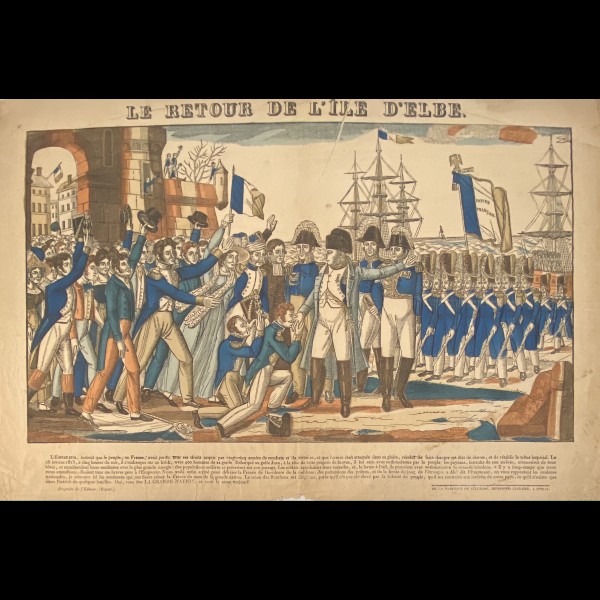
LE RETOUR DE L'ILE D'ELBE
Imaging on Epinal laid paper from Maison Pellerin. 1840 Proof in very fresh colors, with all margins..
120.00 €
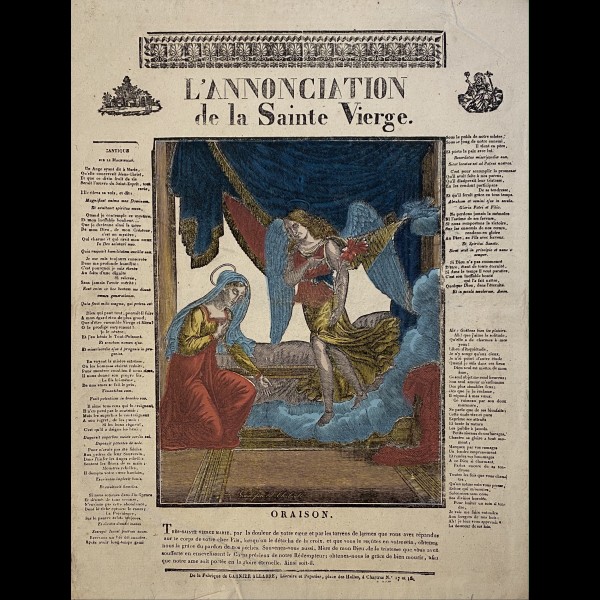
L'ANNONCIATION DE LA SAINTE VIERGE
Imagery on laid paper published by Garnier-Allabre in Chartres between 1826 and 1828. Engraved by An..
300.00 €
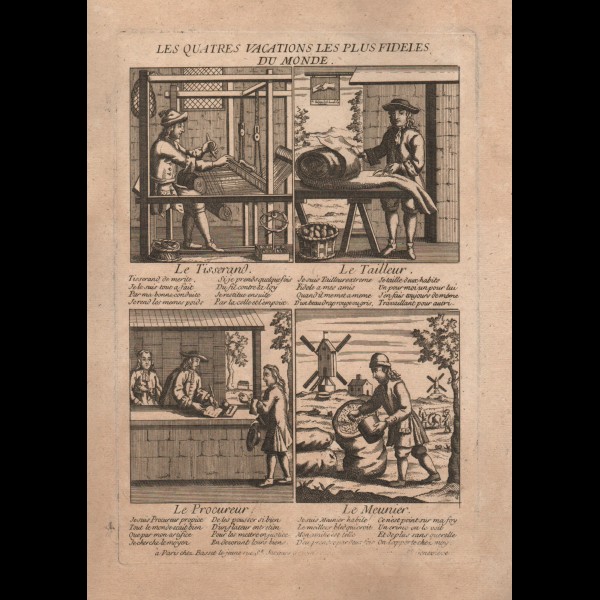
LES QUATRE VACATIONS LES PLUS FIDÈLES DU MONDE (SIC)
Nice proof on laid paper of Basset the young, engraver and dealer of wallpapers. Brother of the publ..
90.00 €
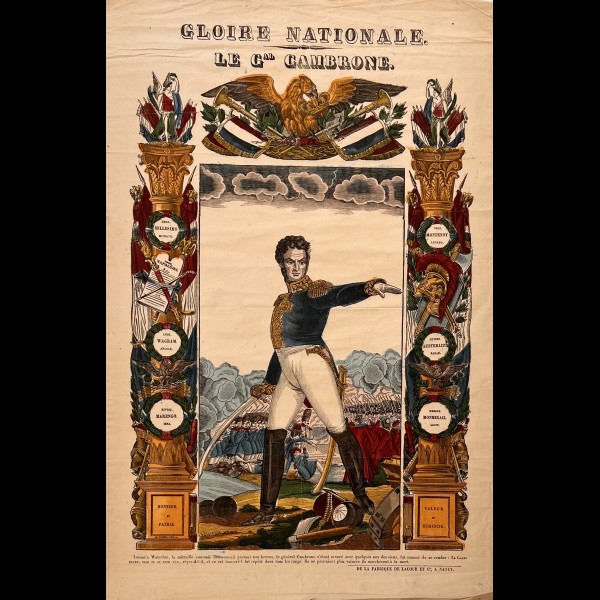
GLOIRE NATIONALE. LE GENERAL CAMBRONE ( SIC )
Very fine proof in fresh old colors with full margins on laid paper.Edited by Jacques Stanislas Pros..
200.00 €
ANIMALS, BIRDS, BUTTERFLIES § INSECTS
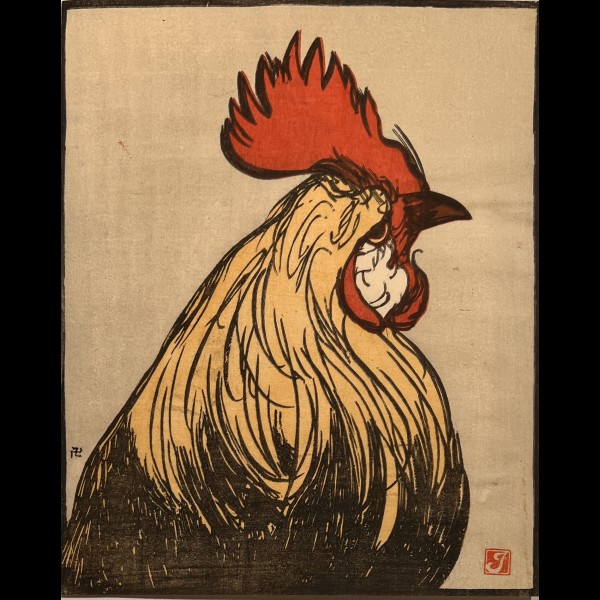
LE COQ
Very fine proof printed in colors in the Japanese style, cut to the framing line.Covered with the ar..
680.00 €
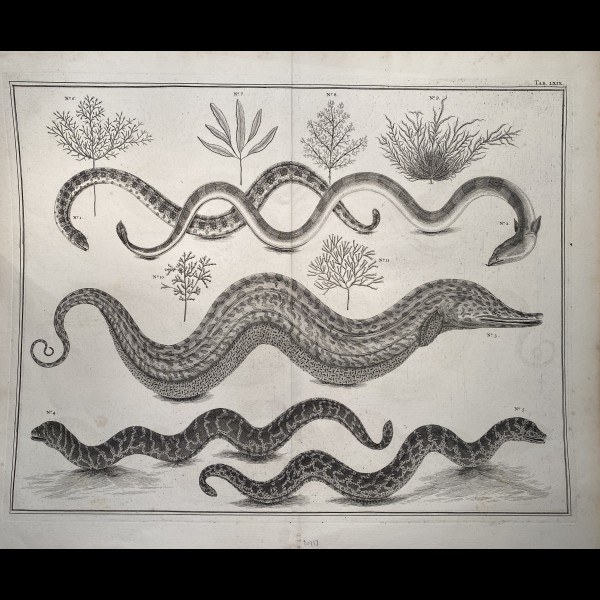
PLANCHE DE POISSONS
Plate from the work published between 1734-1765 : Locupletissimi rerum naturalium thesauri accurata ..
250.00 €

LE RHINOCEROS
From the set : 'Types du regne animal; Buffon en estampes'ca.1860Small lack in the upper left ..
35.00 €

CAILLES
Plate from the Natural History of Birds Georges-Louis Leclerc Count of BuffonSitwell p. 83, Nissen 1..
70.00 €
XIX-XX
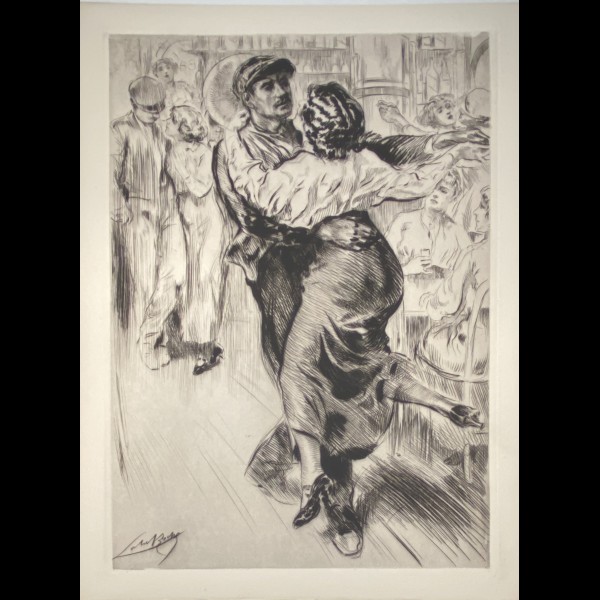
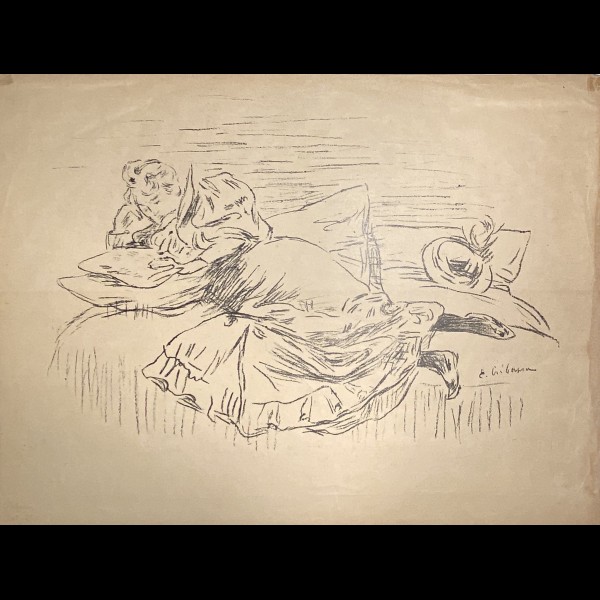
CROQUIS
Print published in the review: l'EpreuveNumbered print with composter on the back.1895Light uniform ..
230.00 €

THE LAWN-TENNIS OU LA PARTIE DE VOLANT
Very nice trial proof with all margins on thin yellow wove paper, before erasing the size crosses, a..
680.00 €
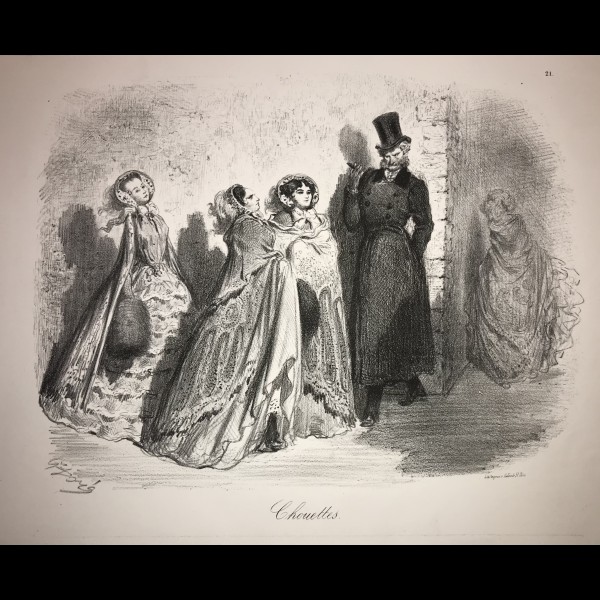
BOTANICALS
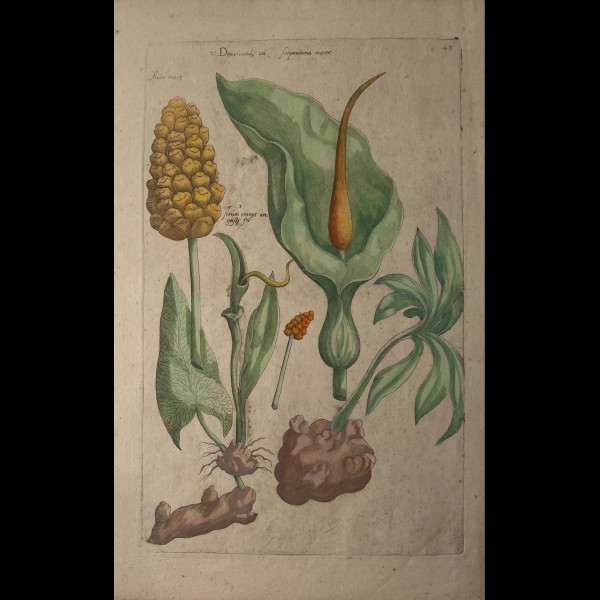
DRACUNCUL
Dracunculus or Arum.From : Florilegium, various florib tractans. and aliis Indicis plantis ad vivum ..
150.00 €
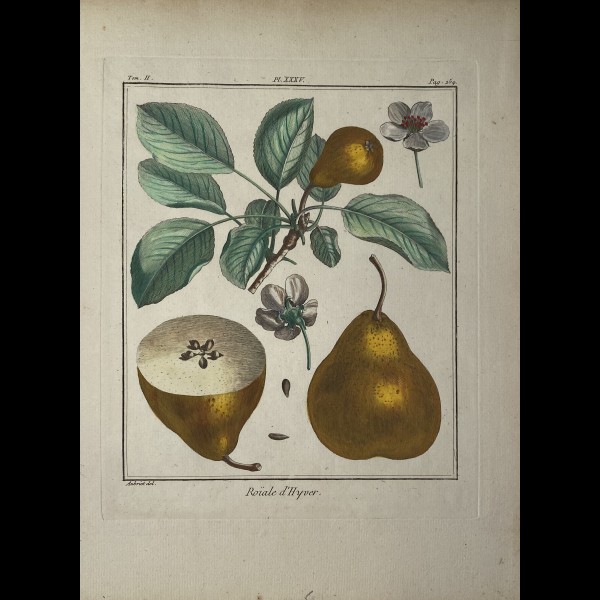
ROIALE (SIC) D'HIVER
Henri Duhamel du Monceau physicist, botanist and agronomist cultivated trees in his fields. He has a..
70.00 €
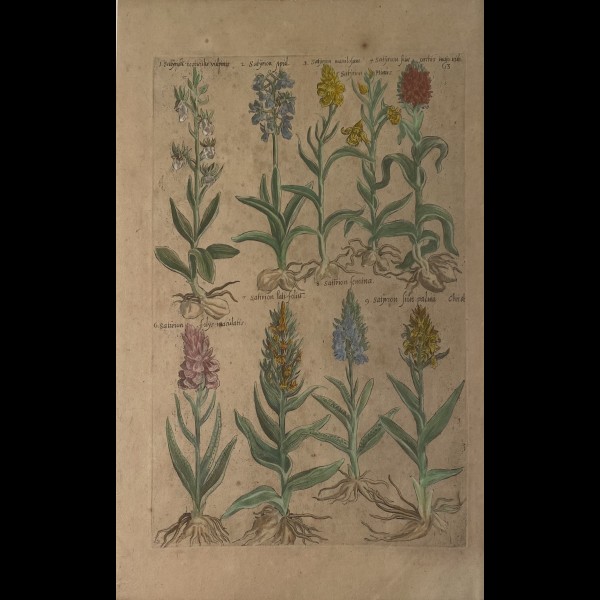
SATYRION
Orchis or orchid.From : Florilegium, various florib tractans. and aliis Indicis plantis ad vivum del..
140.00 €
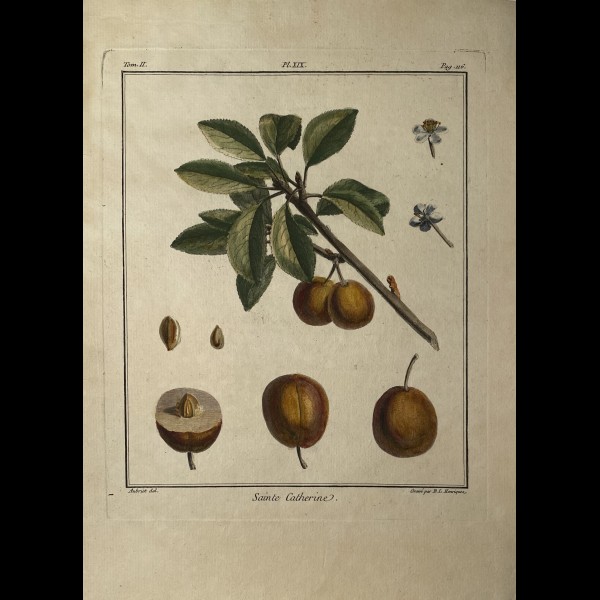
SAINTE CATHERINE
Henri Duhamel du Monceau physicist, botanist and agronomist cultivated trees in his fields. He has a..
70.00 €